博文

What is an outside corner trowel used for?

  An outside corner trowel is a specialized tool used primarily in drywall installation and finishing. Its purpose is to create smooth and clean outside corners where two walls meet at an angle. The trowel has a unique design optimized for applying joint compound or mud to these corners, ensuring a professional-looking finish.   Drywall installation involves fitting large sheets of gypsum board onto wall studs or ceilings to create a smooth, even surface for painting or wallpapering. However, since walls rarely meet at perfectly straight angles, corners often require additional work to appear seamless. This is where the outside corner trowel comes into play.   The main components of an outside corner trowel   include a flat blade and a bent metal or plastic guide that forms a 90-degree angle. The blade is typically made of stainless steel or another durable material, while the handle may be constructed from wood, plastic, or rubber for a comfortable grip.   Here...
What is the best roller for painting big jobs?

图片
  When tackling big painting jobs, choosing the right roller can make a significant difference in the efficiency and quality of your work. Let's explore some key considerations to help you select the best roller   set   for your large painting projects: Roller Material and Nap Length Synthetic Rollers: Synthetic rollers, made from materials such as nylon or polyester, are durable and versatile. They work well with both water-based and oil-based paints and provide smooth and even coverage. Synthetic rollers are suitable for a wide range of surfaces, including walls, ceilings, and smooth or lightly textured surfaces. Natural Fiber Rollers: Natural fiber rollers, such as those made from lambswool or mohair, are best suited for oil-based paints and varnishes. They provide excellent paint pickup and release and are ideal for achieving a smooth and uniform finish. Natural fiber rollers are recommended for projects where a traditional or high-quality finish is desired. Nap Lengt...

What is the best type of paint brush?

图片
  Selecting the best type of paint brush depends on several factors, including the type of paint you're using, the surface you're painting, and your personal preferences. Let's explore some key considerations to help you make an informed decision: Brush Bristle Material Natural Bristle Brushes: These brushes are typically made from animal hair, such as hog or ox hair. They are best suited for oil-based paints, varnishes, and stains. Natural bristle brushes provide excellent paint pickup and smooth application, making them ideal for projects requiring a traditional finish. Synthetic Bristle Brushes : Made from nylon or polyester, synthetic bristle brushes are suitable for water-based paints, such as latex or acrylic. They are durable, easy to clean, and maintain their shape well over time. Synthetic brushes are often preferred for projects requiring precision and control, as they provide smoother and more consistent coverage. Brush Shape and Size Flat Brushes: Flat brushes h...

Can you paint walls with a sponge roller?

图片
  Sponge rollers are a popular choice for applying paint to walls, especially in situations where a textured or stippled finish is desired. Here are some key points to consider when using a sponge roller for painting walls : Texture and Finish: Sponge rollers are excellent for creating textured finishes on walls. The sponge material absorbs and distributes paint unevenly, resulting in a stippled or mottled effect that adds depth and visual interest to the painted surface. Ease of Use: Sponge rollers are easy to use and require minimal setup. They typically have a built-in handle for easy gripping and maneuverability, making them suitable for DIY painters and professionals alike. Paint Application: When using a sponge roller, it's important to load the roller evenly with paint and distribute it evenly on the wall. Avoid applying too much pressure, as this can flatten the texture and result in a less desirable finish. Coverage: Sponge rollers may not provide as smooth or uniform cove...

How To Use The Wood Graining Tools Correctly?

图片
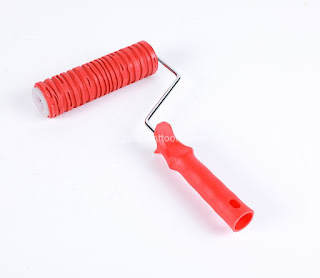
  Creating lifelike wood grain effects using graining tools is a captivating process, whether you're an avid DIY enthusiast or a seasoned painter. Follow this detailed guide for a systematic approach to achieving authentic wood finishes on different surfaces. 1. Surface Preparation: Start by thoroughly preparing the surface you plan to paint. Ensure it is clean, smooth, and free of any debris or imperfections. Apply a base coat in the background color that complements your envisioned faux wood finish. 2. Select the Appropriate Tool: Choose a graining tool that aligns with the wood grain you intend to replicate. These tools come in diverse shapes and patterns, each crafted to imitate specific wood species. Consider the size and style of the tool based on your desired outcome. 3. Apply Base Coat and Background Color: Brush on a base coat of paint in the selected background color. This foundational color will serve as the backdrop for your faux wood grain, so pick a shade that harmoni...

How to choose a roller for painting?

图片
  The paint roller is made up of a handle and a rotating cylinder. There are different types, depending on the product to be painted: dyes, enamels, varnishes, paint for walls and ceilings, plaster... The roller can be made of synthetic or natural fiber. We recommend how to choose it. How to choose a roller for painting? - Let's talk about Important characteristics 1. fiber type 2. Length of fibers and hairs 3. Type of product to apply Characteristics of a  paint roller A paint roller is a tool for painting large smooth surfaces. It is made up of a handle (the handle) and a cylinder (the roller itself). This last element can be replaced independently of the handle. The paint roller is chosen based on: The type of support or surface on which you want to apply the paint (smooth, irregular); the type of product applied (paint, lasur, varnish, plaster); the desired result. The paint roller can be used alone, but is often part of a painting kit. It is generally accompanied by at le...